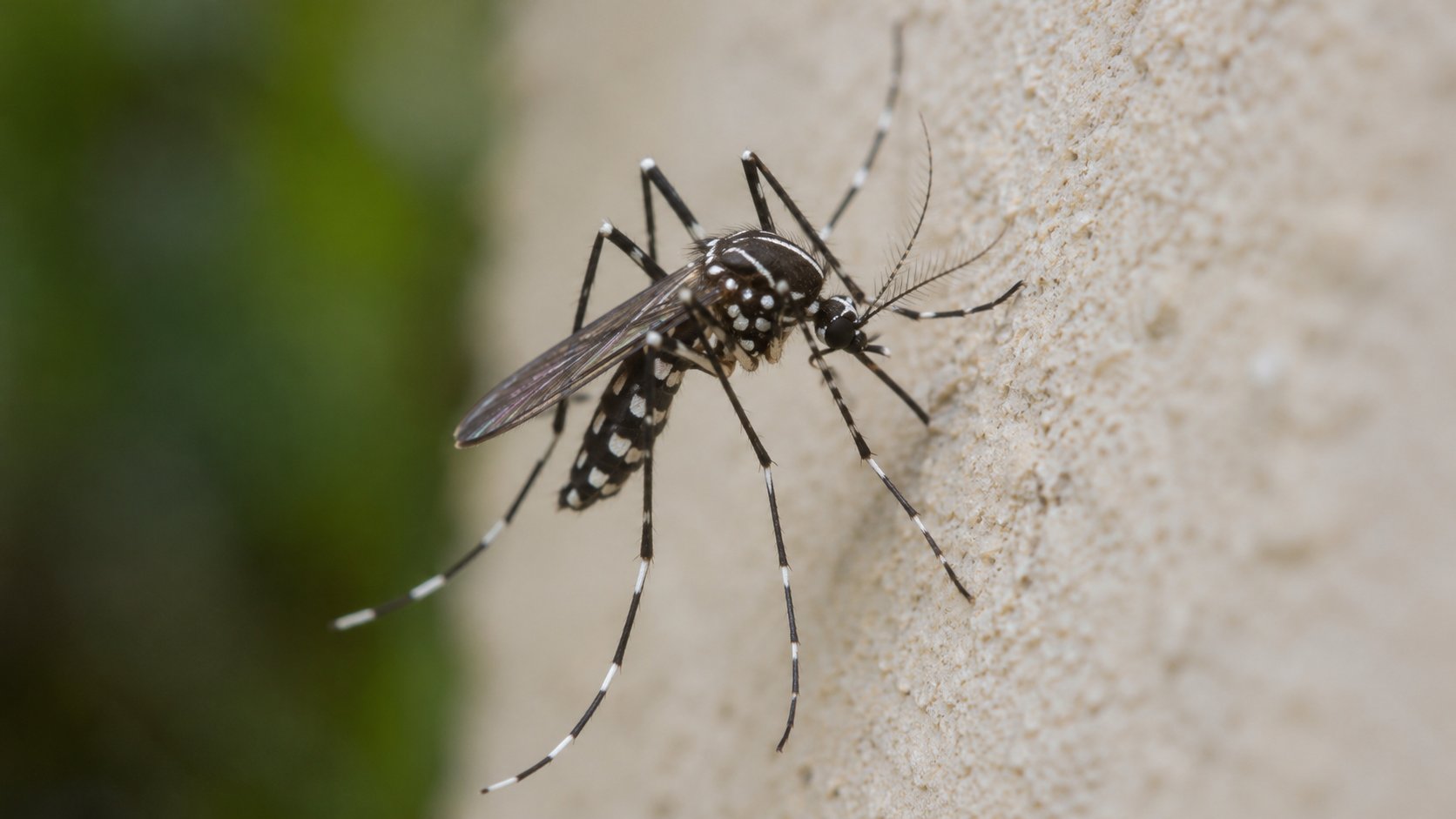
Dengue, chikungunya and Zika are different viral infections, but they share an important route of transmission: infected Aedes mosquitoes. They can also cause overlapping symptoms, making a diagnosis based on appearance alone unreliable.
A mosquito cannot be assumed to carry any particular virus simply because it looks like an Aedes mosquito. Avoiding bites and reducing breeding places are practical precautions against all three infections.
Dengue
Dengue often causes fever with headache, pain behind the eyes, muscle and joint aches, nausea or rash. Some people have no symptoms, while others develop severe disease. Warning signs such as severe abdominal pain, persistent vomiting or bleeding need urgent medical attention and may appear as the fever subsides.
Chikungunya
Fever and joint pain are common with chikungunya. Joint pain can be severe and may persist after other symptoms improve. Because dengue and chikungunya can look alike, a clinician may consider testing for more than one infection rather than relying on symptoms alone.
Zika
Many people with Zika have no symptoms. When symptoms occur, they can include fever, rash, joint pain and red eyes. Infection during pregnancy can cause serious birth defects. Zika can also be transmitted through sex, unlike the usual mosquito-borne route discussed here. People who are pregnant, planning pregnancy or concerned about exposure should discuss current travel and prevention guidance with a clinician.
When symptoms overlap
If you develop a fever or feel unwell after possible exposure, seek medical advice and mention where and when you travelled. Do not assume that severe joint pain means you do not have dengue. Until dengue is ruled out, CDC advises avoiding aspirin and other non-steroidal anti-inflammatory drugs such as ibuprofen because of the potential bleeding risk. Follow a healthcare professional’s advice on other medicines and fluids.
Use repellent according to the label, wear covering clothing where practical, use screens and empty standing water. During an illness, avoiding further bites also helps prevent a mosquito from carrying the infection onward. This article is general information, not personal medical advice.

