The little dish under a plant pot can be easy to overlook. After a shower of rain, it can also hold enough water for mosquitoes to breed. A quick weekly check of the places where water collects is a useful habit whether you live in Thailand or are staying for a few weeks.
Thailand’s health ministry promotes three connected actions: keep the house tidy, cover stored water and remove rubbish that could collect water. The aim is to reduce resting places and breeding sites for Aedes mosquitoes, which can spread dengue as well as chikungunya and Zika.
Start at the entrance and balcony
Walk around the outside after rain. Empty water from buckets, trays, plant saucers and unused containers. Scrub containers when appropriate before refilling them; mosquito eggs can cling to their sides. Store spare buckets upside down and check tarpaulins and discarded packaging for puddles.
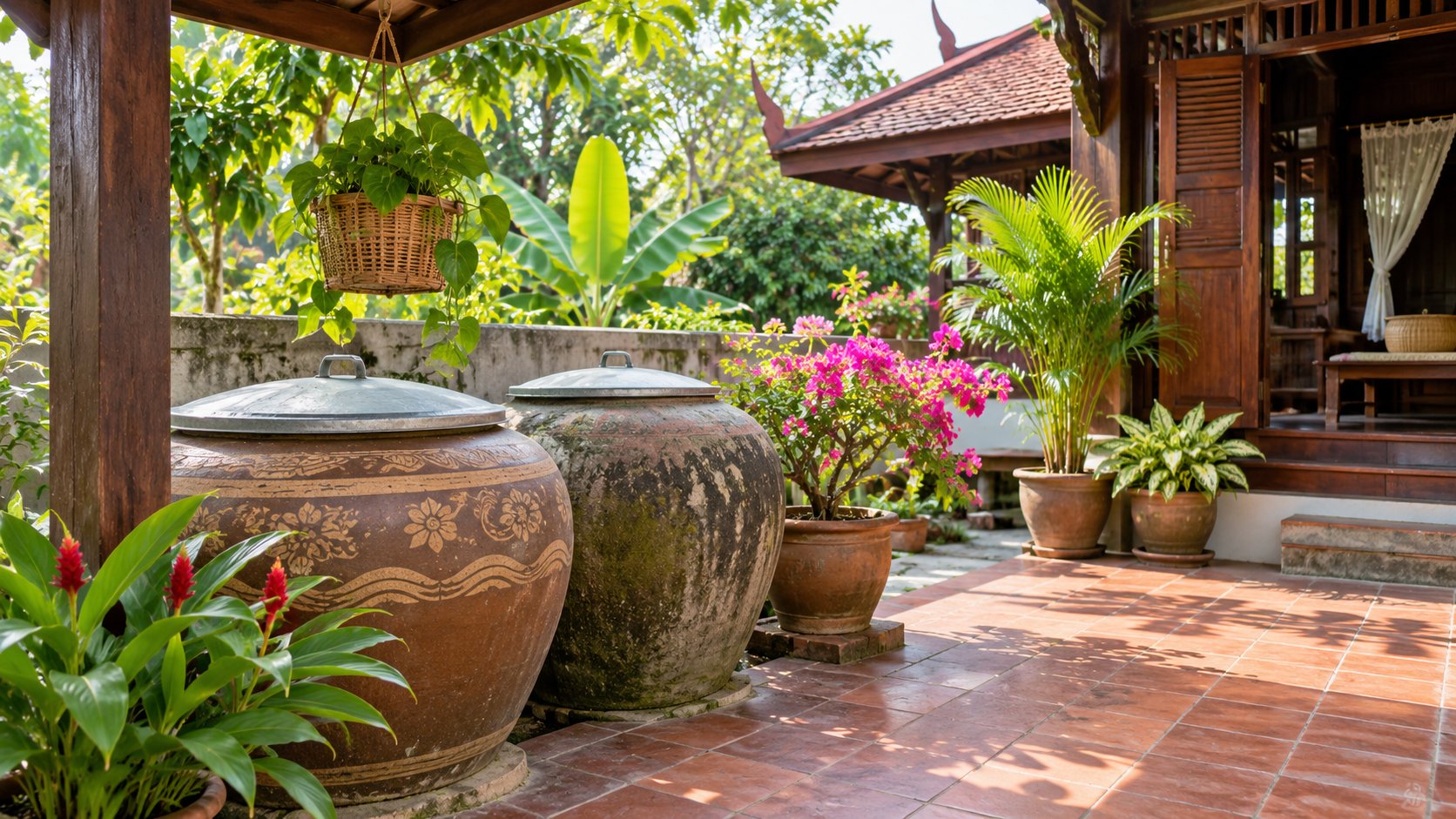
If you keep water for household use, fit a secure cover that prevents mosquitoes entering. Ask building management or a local health officer about water features or drainage problems you cannot safely deal with yourself. Do not add chemicals to drinking water.
Inside the house
Check vases and other containers holding water; clean them and change the water regularly. Keep windows screened where possible and remove clutter that makes cleaning difficult. Kitchens, bathrooms and utility rooms deserve a look too, particularly if a container has been left unused.
For a condo, your own balcony is only part of the picture. Tell management if you notice standing water in a shared area. Guesthouses can build the same check into routine cleaning and explain the plan to staff.
Protect people as well
Removing breeding places does not eliminate every mosquito. Use repellent as directed, wear suitable covering clothing and use screens or air conditioning when available. Aedes mosquitoes can bite during daylight, so do not wait until bedtime to think about protection.
Set a weekly reminder and take another look after heavy rain. If anyone develops a fever after possible exposure, seek medical advice rather than assuming it is a minor infection. This checklist is general information, not a substitute for local health advice.

